

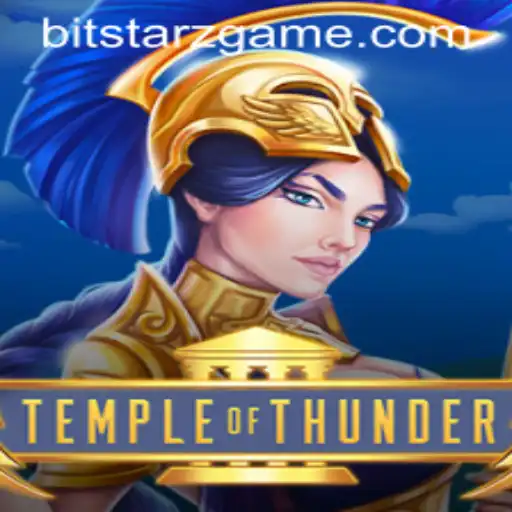
An In-Depth Look at TempleofThunder
TempleofThunder is not just another game in the crowded market of video gaming; it's an immersive experience that combines strategic gameplay with an exciting narrative. This game has taken the gaming community by storm, offering players a rich universe where every decision impacts their journey. Its unique proposition, coupled with a strategic element known as 'bet 15', has made it a hot topic among gaming enthusiasts and critics alike.
Introduction to TempleofThunder
In the realm of gaming, TempleofThunder stands out due to its intricate world-building and the way it engages players. The game is set in a mystical land ruled by ancient deities and filled with secrets waiting to be uncovered. Players take on the role of adventurers exploring these ancient ruins, each decision leading them further into the lore of the temple.
The game's developers have meticulously crafted TempleofThunder to offer more than just a series of challenges. It provides a narrative that evolves as the player progresses, ensuring that each gaming session is as exciting as the last. As players delve deeper into the game, they uncover the mysteries of the Thundering Temple, engaging with characters rich with backstory and motivations.
The 'Bet 15' Mechanics
A key element of TempleofThunder that has piqued the interest of its community is the 'bet 15' mechanic. This feature adds a layer of strategy that sets it apart from many other games. In essence, this rule requires players to make calculated bets of fifteen points, which can influence the outcome of critical events within the game.
The 'bet 15' mechanic is more than a simple wagering system; it's a strategic element that demands players weigh their options carefully. Whether choosing to deploy this bet in a combat scenario, a puzzle, or during negotiations with in-game characters, the outcomes hinge on player decisions. This not only enhances replayability but also fosters a deeper engagement as each choice feels consequential.
Game Dynamics and Player Engagement
One of the defining characteristics of TempleofThunder is its dynamic environment. The developers have ensured that no two playthroughs are alike. Whether it's the ever-changing weather patterns, the diversity of challenges, or the interaction with various factions, the game’s environment is responsive to player actions.
In TempleofThunder, strategic thinking is as crucial as quick reflexes. Players must manage resources efficiently, tackle enemies strategically, and form alliances with NPCs to progress through the game. The integration of elements like 'bet 15' ensures that players remain engaged, finding the right balance between risk and reward.
Current Trends and the Influence of TempleofThunder
The game industry in 2023 has seen significant shifts with increased emphasis on narrative-driven experiences and player agency. TempleofThunder aligns with these trends, offering a game that values storytelling and strategic depth. This approach resonates with a broad audience, from casual gamers to dedicated fans seeking an engaging experience.
Moreover, the game has taken advantage of modern gaming technology, seamlessly blending high-end graphics with an intricate storyline. Current events in the gaming industry highlight a growing demand for such experiences, and TempleofThunder delivers, setting a benchmark for what players expect from contemporary games.
The Vibrant Community and TempleofThunder's Impact
As with many successful games, TempleofThunder boasts a vibrant community that supports and enhances the experience for players worldwide. Forums and social media platforms buzz with discussions on strategies, fan theories, and shared accomplishments within the game. This active community plays a crucial role in the game’s success, fostering a sense of belonging and collective discovery.
In today's gaming landscape, community-driven content and user interaction are pivotal. TempleofThunder has embraced this, encouraging player participation and feedback to continually refine and expand the gaming experience. It's a testament to how modern games can evolve beyond their original scope, driven by player involvement and creativity.